New South Wales is an easy and safe place to travel, but it is not cheap, and nature demands respect. Here are the practical basics.
Entry and visas
Every visitor to Australia needs permission to enter before travelling, except New Zealand citizens. Depending on your passport, that may be an Electronic Travel Authority (ETA), applied for in the official app, an eVisitor visa, or a Visitor visa. Australia also has strict biosecurity rules: declare food, plant and animal products on your arrival card. Rules change, so check the Department of Home Affairs before you go.
Money and costs
The currency is the Australian dollar (AUD). Cards, including contactless payment, are accepted almost everywhere, and some places add a small card surcharge. Prices include 10% GST. Tipping is not expected, although rounding up or leaving around 10% for good service in restaurants is appreciated. Australia is an expensive country, especially for accommodation and eating out in Sydney.
| Style | Regional NSW | Sydney |
|---|---|---|
| Budget (hostel, self-catering, public transport) | Around A$100–150 | Around A$120–180 |
| Mid-range (hotel, restaurants, a tour) | Around A$250–350 | Around A$300–450 |
| Comfortable (good hotels, private tours) | Around A$500+ | Around A$600+ |
These are rough estimates. Check current prices.
Safety
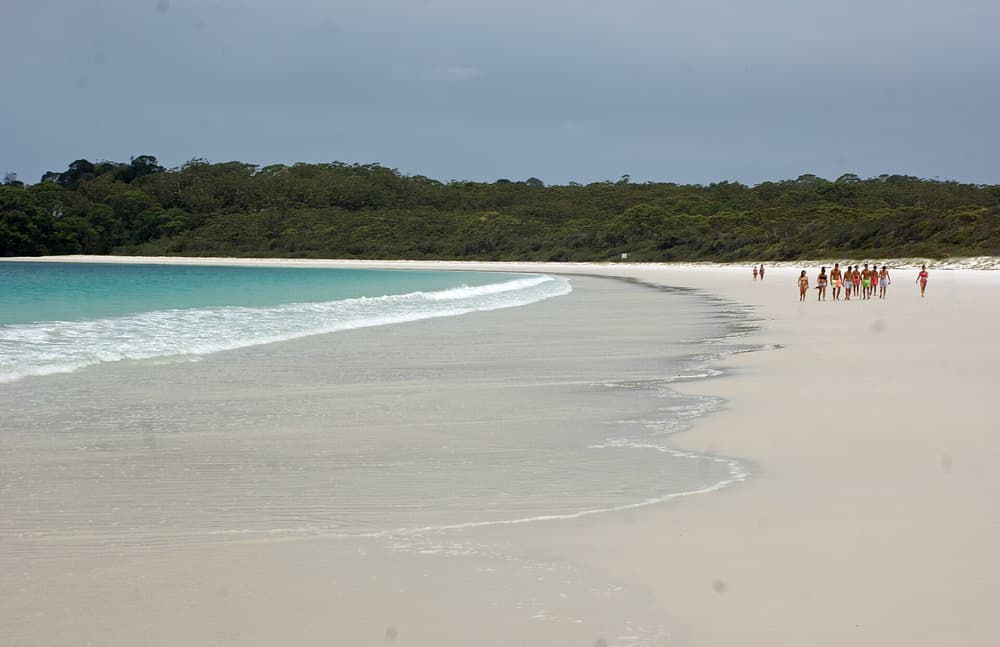
Cities and towns are generally safe. The main risks are natural. At the beach, swim between the red and yellow flags where lifeguards patrol, and learn to spot rip currents. The sun is strong: use sunscreen, a hat and shade. In summer, check fire danger ratings and park alerts before bushwalking or driving through forests, and follow official advice. The emergency number is 000.
Etiquette
Australians are informal and use first names quickly. Queue patiently, say thanks to bus drivers, and keep the left side of escalators clear for walkers. Many places in NSW have Aboriginal names and meanings; you will often hear an Acknowledgement of Country at events, recognising the Traditional Owners of the land.
Time zones
Most of NSW uses Australian Eastern Time (UTC+10), with daylight saving (UTC+11) from early October to early April. Broken Hill and the far west use Central Time, half an hour behind Sydney.
Connectivity and electricity
Mobile coverage is good in cities and towns but patchy or absent in national parks and the outback. Local SIM cards and eSIMs are easy to buy at the airport. Sockets are type I (angled flat pins), 230 V.
Health
Healthcare is excellent but can be expensive for visitors, so take travel insurance. Tap water is safe. Carry water on walks, especially in summer and inland. Snakes and spiders are rarely a problem if you leave them alone; wear shoes on bush tracks.
Packing
Bring sun protection, swimwear, comfortable walking shoes and a light rain jacket. Pack warm layers for the Blue Mountains, Orange and the Snowy Mountains, which are far colder than Sydney, and for desert nights around Broken Hill.
Accessibility
Sydney’s newer stations, ferries and many attractions are step-free, and national parks have some accessible boardwalks and lookouts. Check the Transport for NSW site for accessible stations before you travel.
Food and drink
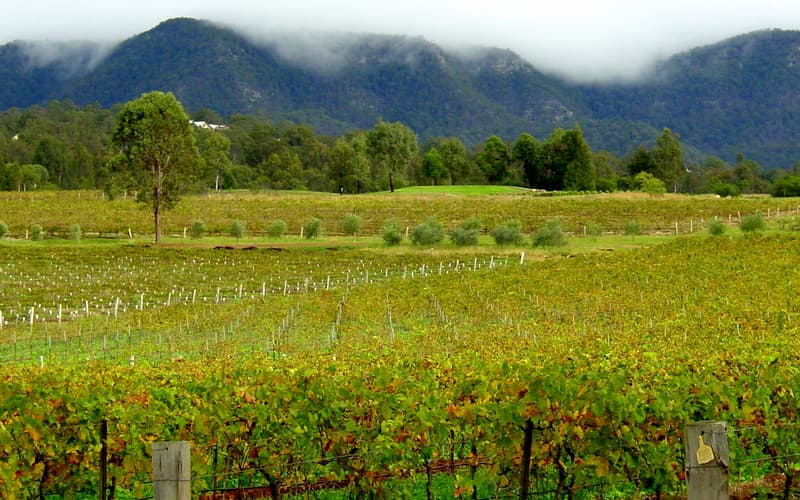
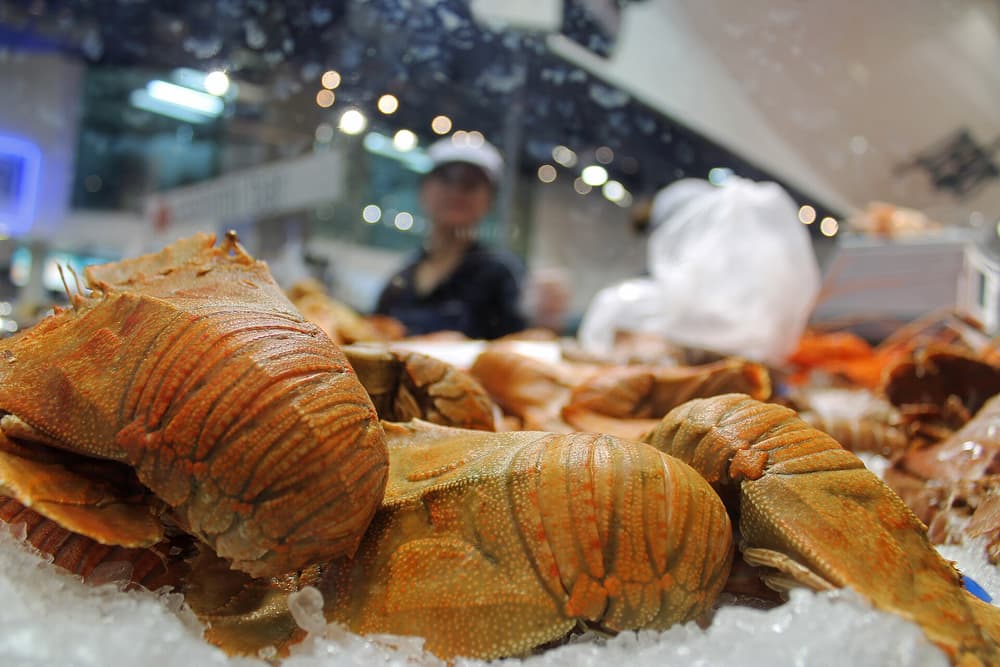
Sydney’s food scene is one of the best in the region, strongly shaped by Asian and Mediterranean migration. Try fresh seafood such as Sydney rock oysters, a flat white in a local café, and modern Australian cooking. Wine regions include the Hunter Valley, famous for Semillon and Shiraz, and the cool-climate country around Orange and Mudgee. Many restaurants are BYO, letting you bring your own wine.