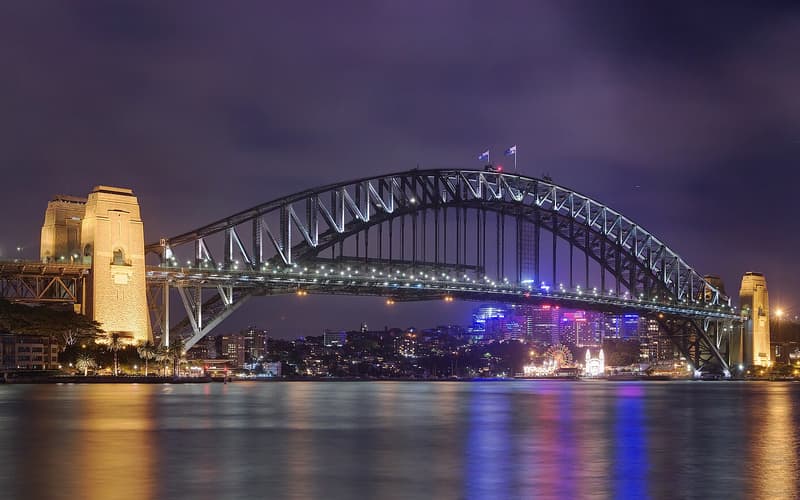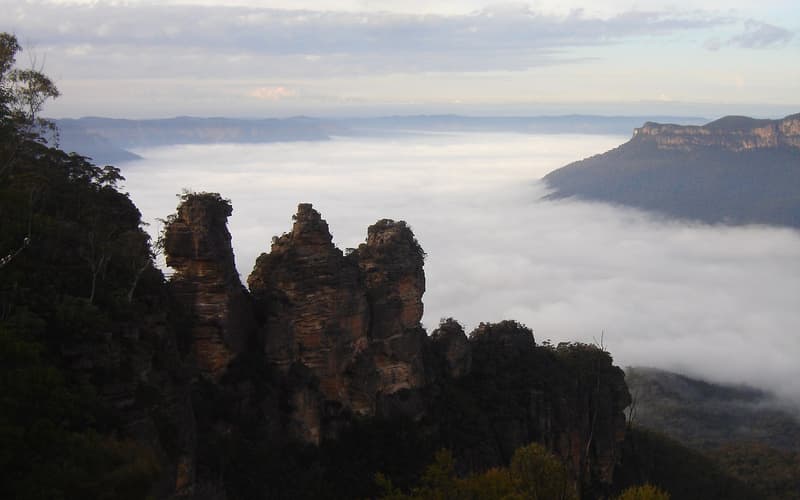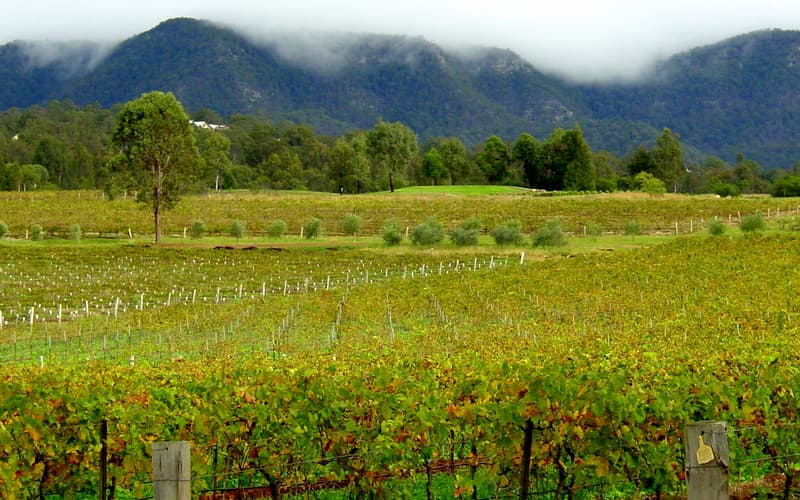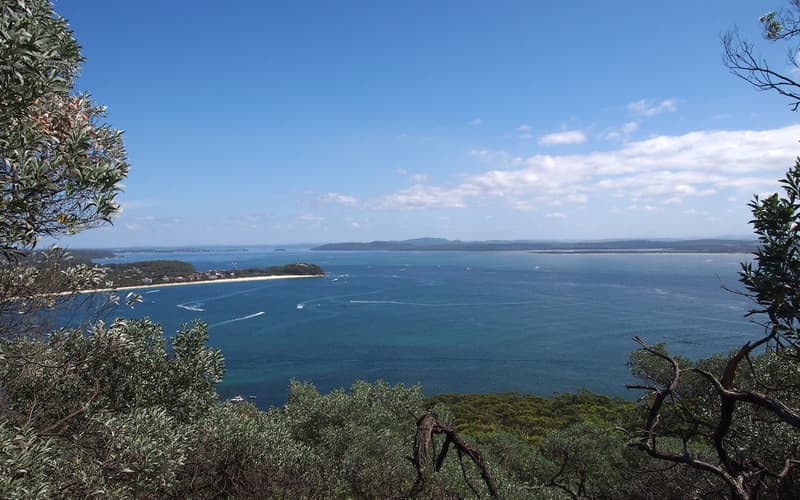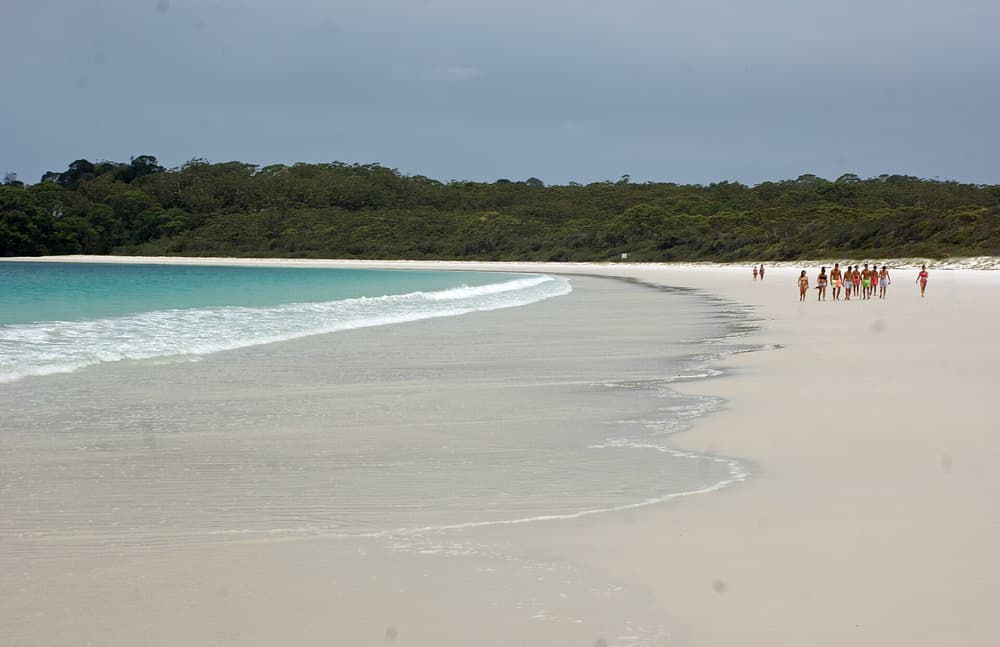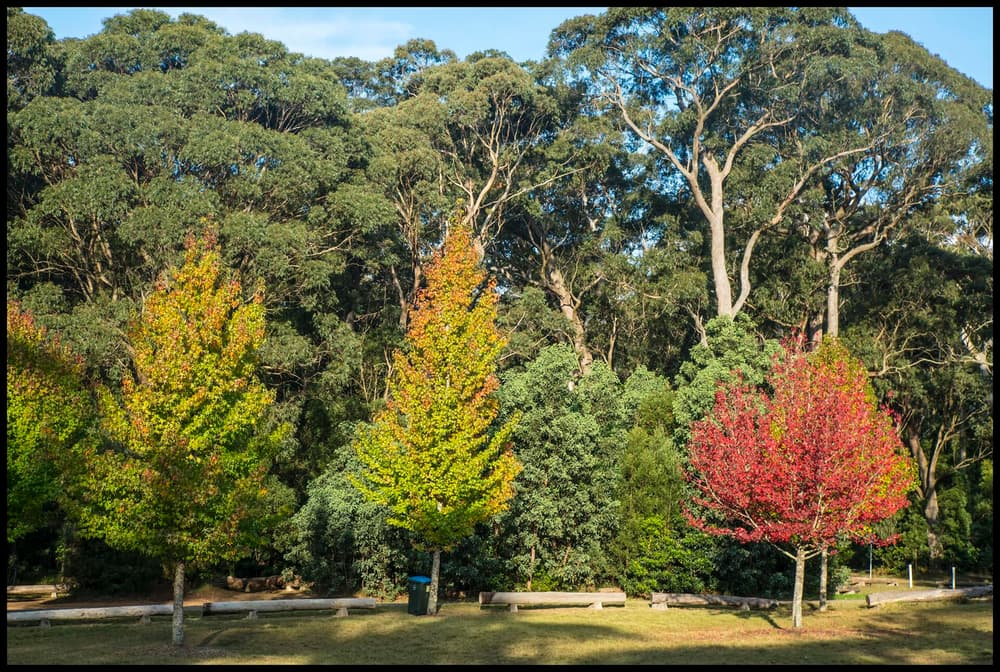
Remember that the seasons are reversed: summer is December to February and winter is June to August. For most of the state, September to November and March to May offer the best mix of weather and space.
The seasons
Spring is warm and bright, with wildflowers and whales heading south along the coast. Summer is hot and humid on the coast and very hot inland, with afternoon storms, bushfire risk and the long school holidays. Autumn is often the most settled season, with warm seas and the grape harvest. Winter is mild and sunny in Sydney, cold in the mountains, snowy in the high country and pleasant in the outback.
| Month | Avg high / low | What to expect |
|---|---|---|
| January | 26 / 19 °C | Peak summer and school holidays; Sydney Festival |
| February | 26 / 19 °C | Hot and humid; harvest begins in the Hunter |
| March | 25 / 18 °C | Warm seas, fewer crowds; Mardi Gras parade |
| April | 23 / 15 °C | Settled and pleasant; Easter holidays |
| May | 20 / 12 °C | Mild days; whale season starts; Vivid Sydney begins |
| June | 18 / 10 °C | Cool and clear; ski season opens |
| July | 17 / 8 °C | Coolest month; whales on the coast; snow in the mountains |
| August | 19 / 9 °C | Dry and sunny; good for the outback |
| September | 21 / 12 °C | Spring; wildflowers, whales heading south |
| October | 23 / 14 °C | Warm; daylight saving begins |
| November | 24 / 16 °C | Beach season starts; jacarandas in flower |
| December | 26 / 18 °C | Summer holidays; New Year’s Eve fireworks |
Figures are approximate long-term averages.
Festivals and events
- January: Sydney Festival of arts and performance.
- February–March: Sydney Gay and Lesbian Mardi Gras, with the parade on Oxford Street.
- Easter: Bluesfest near Byron Bay, and the Sydney Royal Easter Show.
- May–June: Vivid Sydney, with light installations around the harbour.
- June–October: the ski season in the Snowy Mountains, depending on snow.
- May–November: humpback whale migration along the whole coast.
- 31 December: New Year’s Eve fireworks over Sydney Harbour.
School holidays and crowds
NSW school holidays fall roughly in mid-April, early July, late September and from mid-December to late January. Coastal towns, national parks and ski resorts fill up at these times, and prices rise. Book accommodation for summer, Easter and the ski season well ahead, and expect very high prices around New Year’s Eve in Sydney.